
One of the most overlooked tools in tabletop RPGs is the written word.
Letters, books, notes, and scrolls are everywhere, but too often they’re treated as filler. A bit of flavor. A container for a spell. Something to skim and move past.
They should be far more than that.
Used well, these items become living parts of the world. They carry weight. They create decisions. They pull players deeper into the fiction.
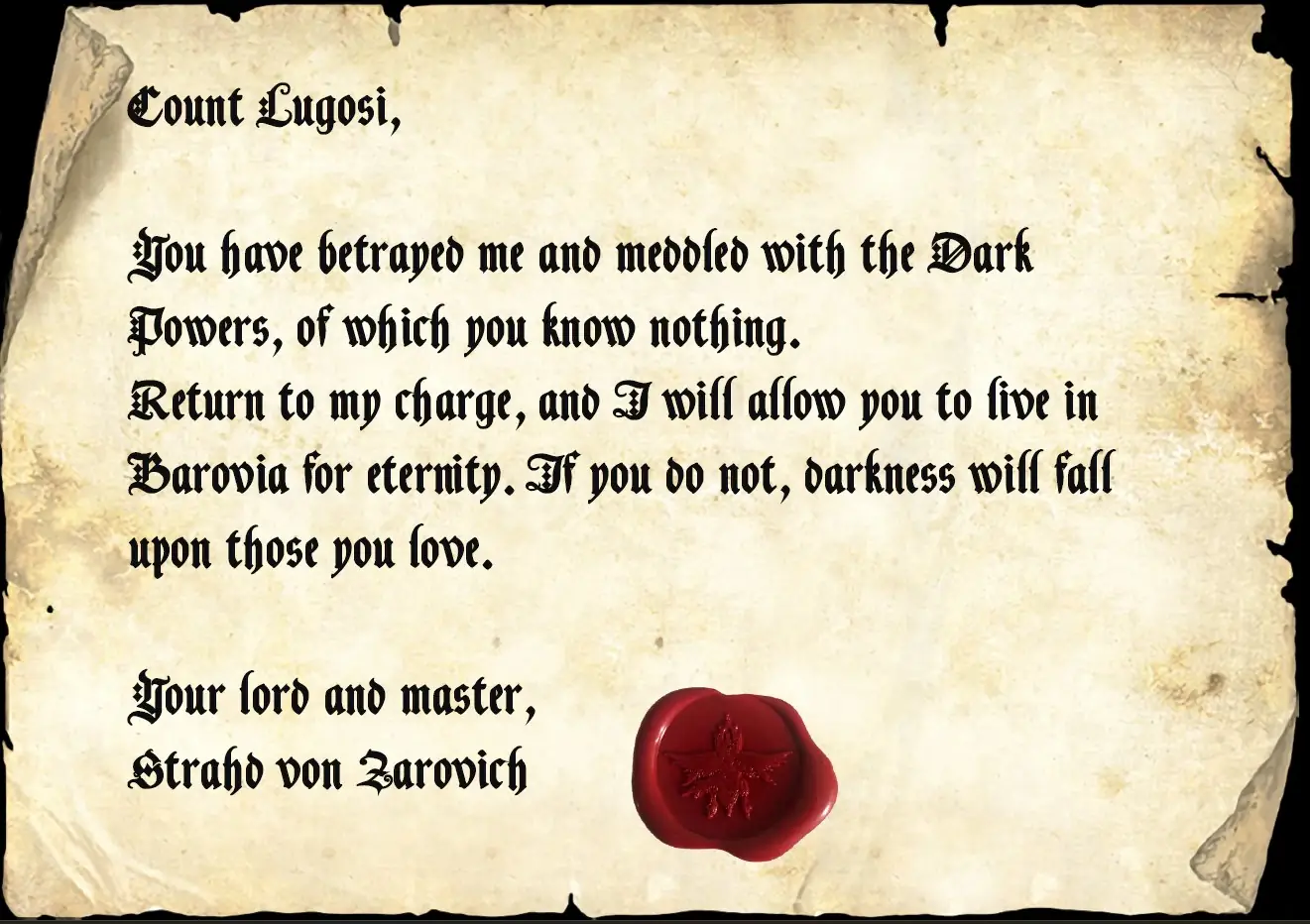
If you’ve followed Legends of Barovia or Legends of Saltmarsh, you already know...I’m a strong advocate for player handouts, one could call me a player-handout junkie.
Why Written Handouts Matter
A good handout does more than deliver lore. It invites interaction.
These pieces can serve as:
- Lore – revealing the world without dumping exposition
- Clues – pointing toward locations, NPCs, or hidden truths
- Puzzles – encoded secrets players must unravel
- Quests – a letter can be the adventure
- Social leverage – proof, status, or authority
They shift information from the GM’s voice into the players’ hands.
And that changes everything.
Examples from Play
In Legends of Barovia, handouts are central to the experience.
One of the most impactful is The Fanes of Barovia, a player-facing book that seeds an entire Fey questline. It can be discovered in multiple places or even inherited as part of a character’s story. NPCs react to it. It opens doors. It creates direction.
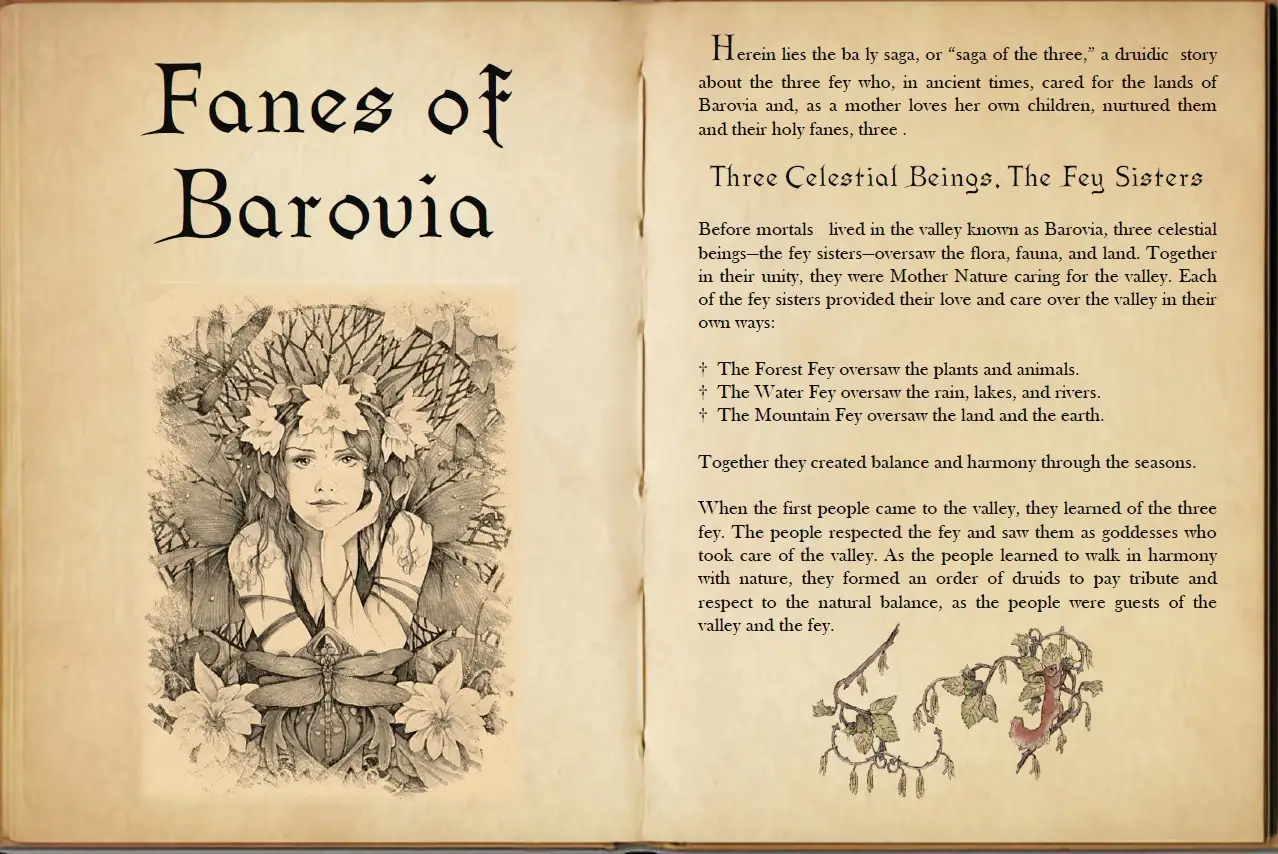
These can take many forms; letters, journals, notes, diaries, books, or tomes.
Other examples include:
- Strahd’s Tome — layered with hidden messages
- The Battle at the Gates of Tsolenka — containing an oath that opens the gate
- Van Richten’s Monster Hunter Guide — revealing creature weaknesses
In Legends of Saltmarsh, the player handout The Wreck of the Marshal leads directly into a shipwreck adventure.
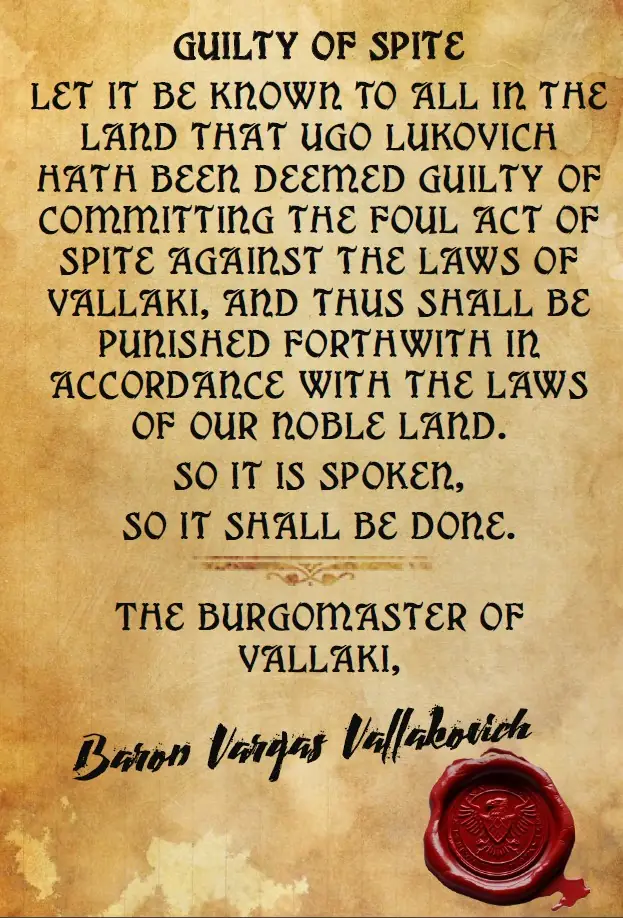
These are not just props, these are tools for the players.
Categories of Handouts
A simple way to think about them:
Lore
Short, evocative fragments that hint at a larger world.
Clues
Point players toward something—locations, NPCs, secrets.
Puzzles
Anagrams, ciphers, riddles—simple, engaging, and rewarding.
Letters of Credit
Portable wealth, tied to trust and institutions.
Letters of Introduction
Social access, reputation, and influence.
Maps
Few things engage players faster than a map—especially one incomplete or marked.
“What If My Players Don’t Read Them?”
This comes up more than you’d think.
The reality is simple as they saying goes,
"you can lead a horse to water, but you can't make them drink."
So:
- Emphasize that knowledge is power
- Let consequences follow if they ignore it
If they skip the letter, they may:
- Follow the wrong lead
- Trust the wrong person
- Miss the real opportunity
That's not failure, that is play.
Freedom includes the freedom to make mistakes.
And when players do engage, it’s something special.
I’ve seen players spend an entire session with their characters sitting in a quiet room, reading, debating, cross-referencing notes, arguing theories, while I said almost nothing.
That’s when the world becomes real, they are so engaged that they forget they are playing a game. That is the magic of TTRPGs.
Anagrams
Simple, Fun, Effective
Anagrams are one of the easiest puzzles to use.
At their core: the same letters, rearranged to reveal a hidden truth
They’re quick, intuitive, and satisfying.
Example
What players find written on a crypt:
THEY BURY A FALSE TEMPLE
Hidden message:
THE ABBEY VAULT IS EMPTY
Now it reads like strange scripture, but hides a clear truth.
I have used this on doors, crypts, statues. Keep them short and easy to solve. They are scattered all over Barovia.
I use Anagrammer to test my hidden messages and turn them into usable anagrams.
Poems, Passages, and Borrowed Words
Poetry carries tone and meaning in very little space. A single verse can do more than a page of exposition. It can:
- open a door
- bind a ritual
- reveal a secret
Drawing from real authors adds depth and authenticity to your world. It creates a sense that your setting exists beyond the table. It provides history, culture, and echoes of something older.
Some rich sources of inspiration include:
- Edgar Allan Poe — familiar, evocative, and instantly atmospheric
- William Shakespeare — tragedies full of memorable, dramatic lines
- Edmund Spenser — The Faerie Queene is so vast you’ll never run out of material
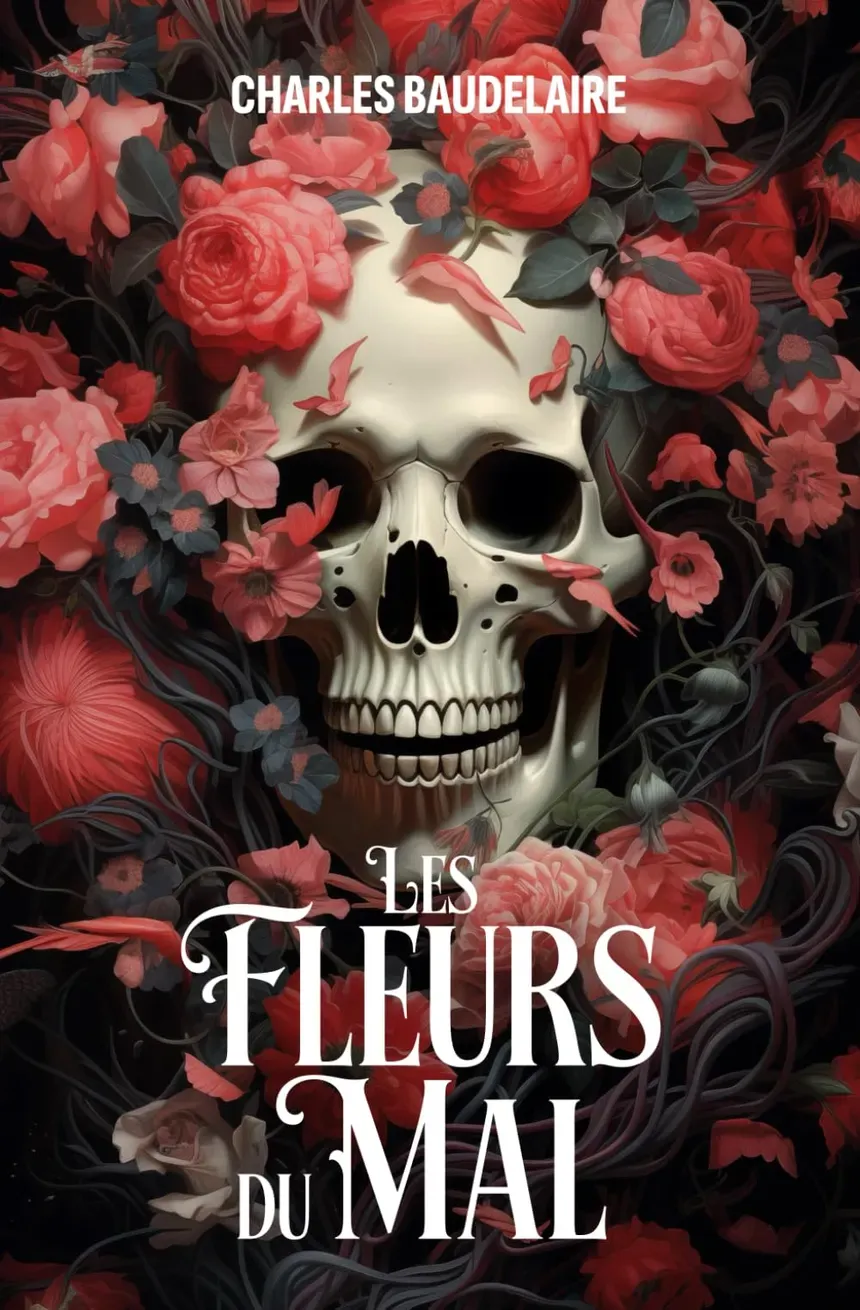
- Charles Baudelaire — Les Fleurs du mal offers dense gothic and tragic imagery. If you love gothic horror poetry, this is a go to source.
Example in Play
In Count’s Manor, I used a modified passage from The Faerie Queene on a crypt. If the characters read it aloud, the ghost of Spenser manifests and offers them a gift.
High above all a cloth of state was spread,
And a rich throne, as bright as sunny day,
On which there sate, most bravely embellished
With royal robes and a gorgeous array,
A maiden Queen, that shone as Titan’s ray,
In glistering gold and peerless precious stone;
Yet her bright blazing beauty did astray
To dim the brightness of her glorious throne,
As envying herself that too exceeding shone.
Book Ciphers
Hidden in Plain Sight
A book cipher conceals a message inside an existing text. Each word is encoded using a simple structure:
Page (or Stanza for a poem) – Line – Word
Without access to the exact same text, the message remains unreadable. That limitation is part of the magic, it turns an ordinary object into a key.
Example Using The Raven
Using The Raven by Edgar Allan Poe, you can introduce a physical prop directly into play.
The characters discover a scrap of parchment covered in numbers, along with a single clue: “the golden dagger.”
Nearby rests a copy of The Raven. Having a physical book at the table, is a great prop (or a PDF for online play).
This immediately invites interaction, players must connect the object to the code.
Cipher Key: Stanza – Line – Word
The Parchment Reads
The Golden Dagger
6 – 4 – 11
15 – 4 – 6
1 – 4 – 9
Decoded Result
- 6 – 4 – 11 → explore
“Let me see, then, what thereat is, and this mystery explore—” - 15 – 4 – 6 → haunted
“On this home by Horror haunted—tell me truly, I implore—” - 1 – 4 – 9 → chamber
“As of someone gently rapping, rapping at my chamber door.”
Final Message
Explore haunted chamber
Riddles
Riddles are another simple and effective way to introduce clues.
In Count’s Manor, when Sir Spenser’s ghost materializes, he challenges the characters with a riddle. The players are given a short time to confer before answering, creating a moment of tension and collaboration.
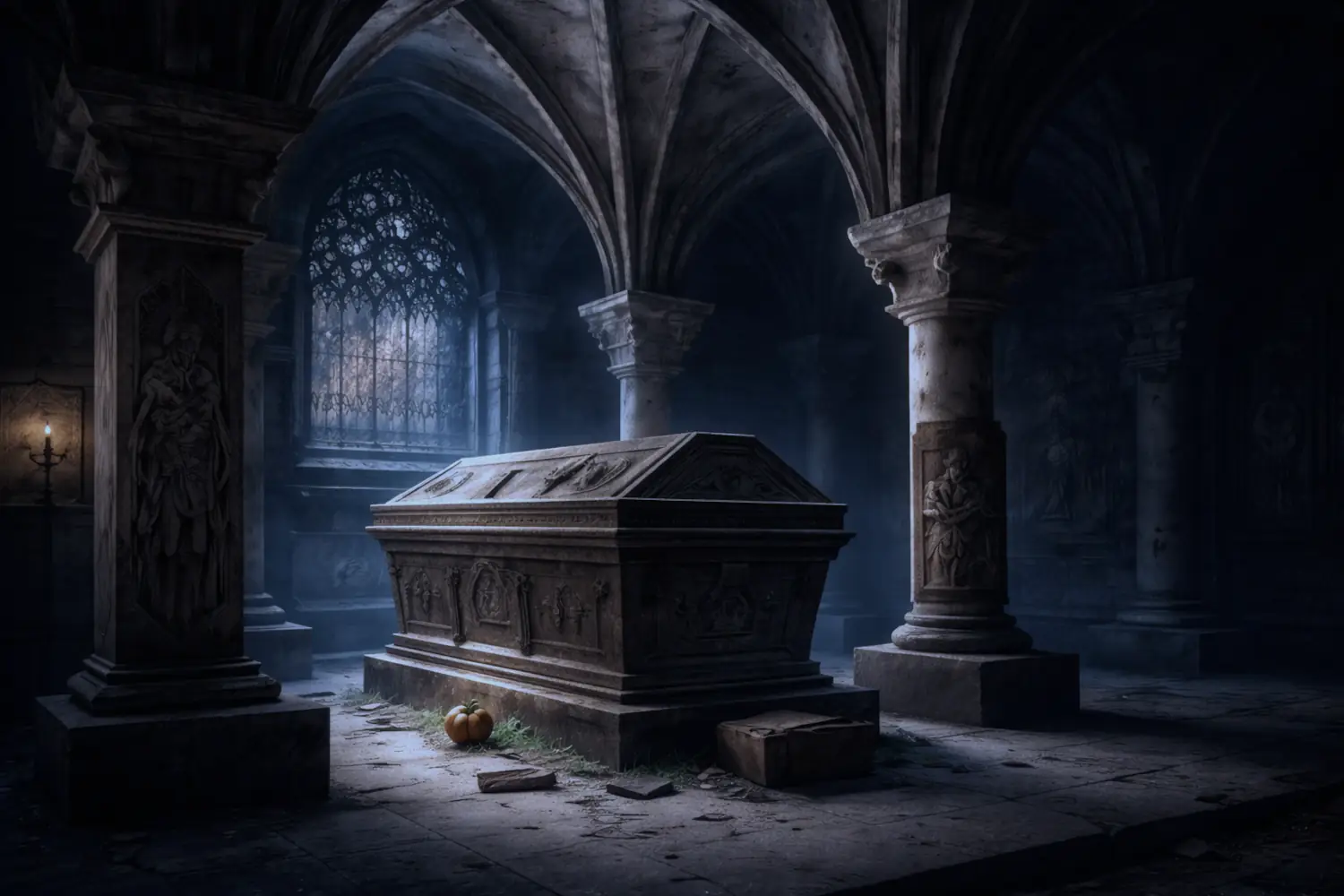
From Count’s Manor
When a character reads the engraving, the ghost of Sir Spenser appears and asks:
The man who invented it
Does not want it for himself.
The man who bought it
Does not need it for himself.
The man who needs it
Does not know when he needs it.
Answer: A coffin
If the players answer correctly, each gains +1 to attack rolls while within the crypt and lair.
The ghost then fades, returning to the crypt.
- Quick engagement — everyone at the table participates
- Shared tension — limited time encourages discussion
- Clear reward — success has an immediate benefit
How to used them
There are plenty of classic riddles you can use or create your own.
The key is what they lead to.
Attach them to:
- A reward
- A location
- A hidden truth
Riddles are not obstacles.
They are rewards waiting to be unlocked.
To keep things moving, consider offering something even on failure:
- A hint or partial answer
- A weaker reward
- A consequence that still pushes the story forward
This keeps momentum at the table and avoids turning the riddle into a dead end.
Letters of Credit
In most games, wealth has weight.
Gold is heavy.
Silver is bulky.
A letter of credit changes that.
Inspired by real medieval practices, these documents allow characters to:
- Deposit wealth in one place
- Travel without carrying coin
- Withdraw it elsewhere
They are:
- Trust-based
- Limited to specific factions or locations
And they come with risk.
A forged letter, a fallen faction, can turn wealth into nothing overnight.
And like any valuable object, it can be:
- Stolen
- Forged
- Lost
- Contested
Or become the center of an entirely new adventure.
Example in Play
A letter of credit is found clutched in a dead man’s hand, drawn for a significant sum.
Now the questions begin:
- Who issued it?
- Who was meant to receive it?
- Why was he killed before he could claim it?
Cashing it might be simple.
Keeping it and surviving what follows is not. Perhaps the players a hunted down because they possess it.
This can serve as a great opening adventure hook.
Letters of Introduction
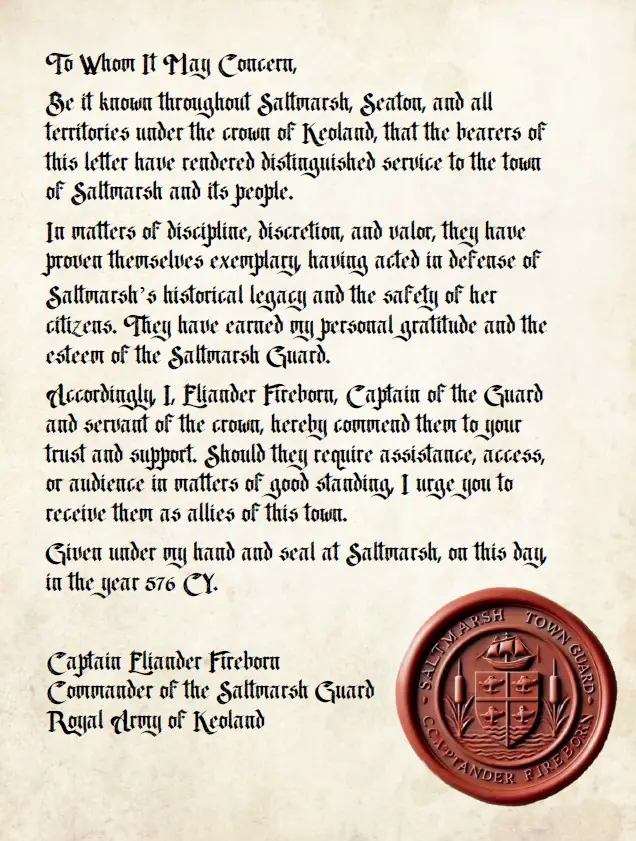
A letter of introduction is social power made tangible.
It tells the world: “This person is trusted.”
With it, characters can:
- Pass guarded checkpoints
- Gain access to restricted places
- Secure meetings with powerful NPCs
- Establish trust instantly
But there is risk.
In the wrong hands:
- Someone can impersonate the party
- Crimes can be committed in their name
- Enemies can gain access using their reputation
And if the issuer learns of it?
- Trust is broken.
- Doors close.
- Allies become uncertain or hostile.
A letter of introduction doesn’t just open doors, it can put a target on your back!
Maps
Few things capture a player’s attention faster than a map.
Not a perfect map, but one that feels used.
At a glance, it might show a coastline, rivers, and a few settlements. But what makes it powerful are the additions made by someone within the world.
This isn’t just geography, its information that invites exploration and adventure.
What Makes This Map Work
This example, found in Ingo the Drover’s secret cave, shows how small details transform a map into something playable.
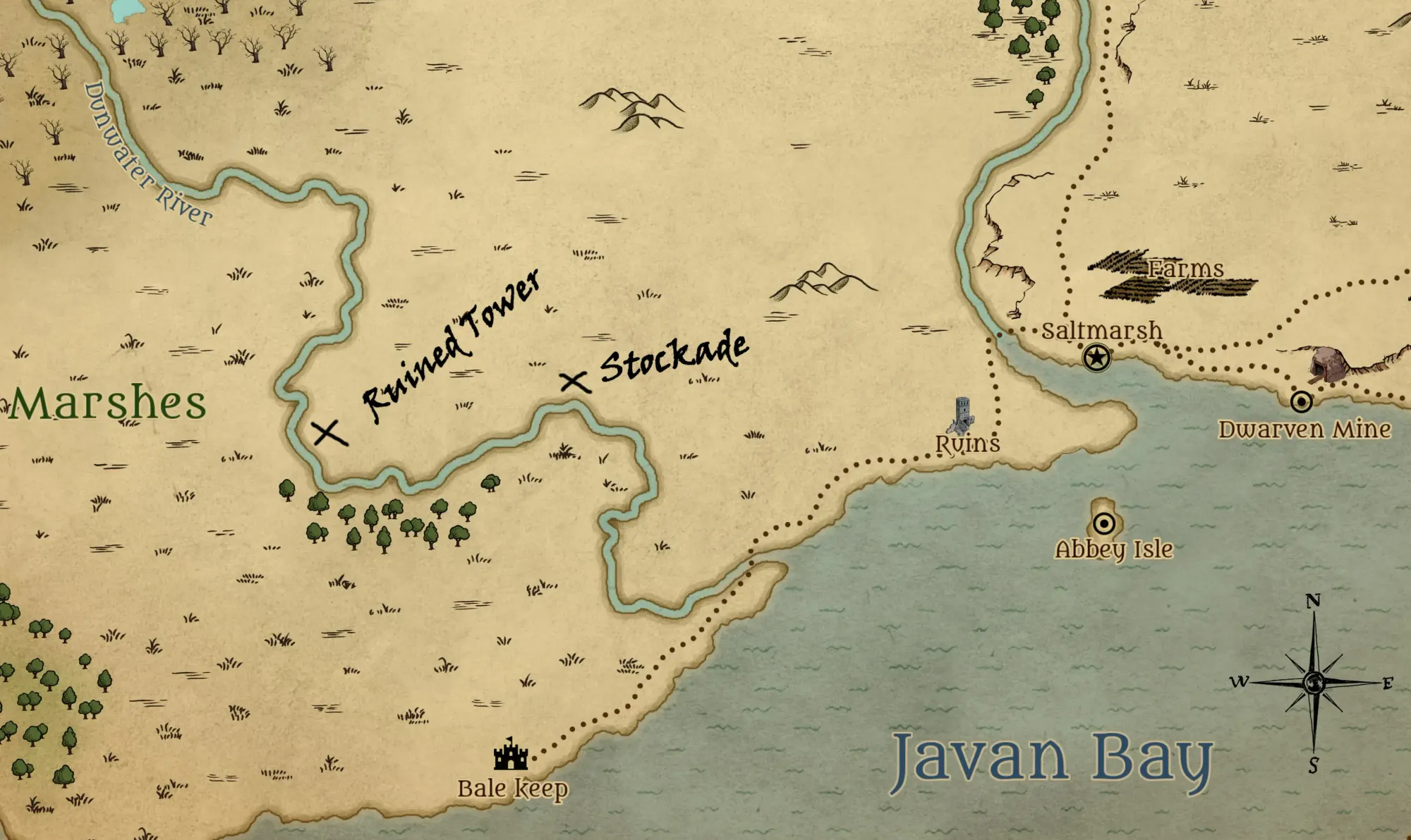
Handwritten Notes
- “Ruined Tower” marked inland along the river
- “Stockade” noted nearby
These are not official labels. They are discoveries. Observations. Warnings.
That alone tells the players: Someone has been here before and thought this mattered.
Partial Knowledge
It invites questions:
- Who built the tower?
- Who controls the stockade?
- Are the ruins connected to the abbey?
This absence of answers is what creates momentum.
Turning This Into Play
From just a few markings, you already have multiple hooks:
The Ruined Tower
- Occupied?
- Haunted?
- Watched?
It could be a vantage point… or a trap.
The Stockade
- Who built it; bandits, soldiers, slavers?
- The marking suggests importance or danger
- Is it active… or abandoned?
Example: Castle Ravenloft Drawings
Maps can also provide context for complex locations.
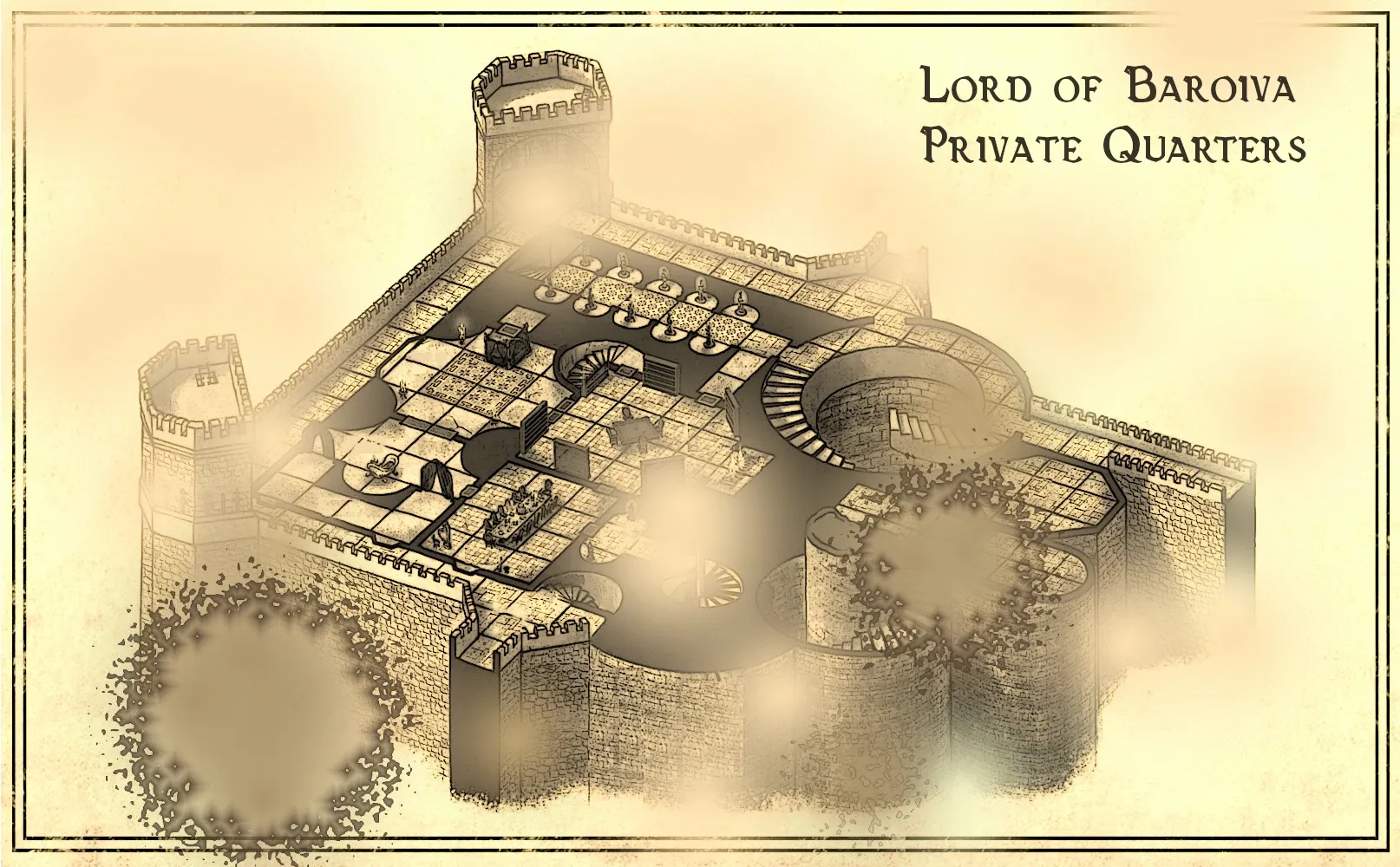
In Legends of Barovia, Castle Ravenloft is a sprawling, multi-level structure with many hidden areas. To help players navigate it, the party can discover obscure architectural drawings within the Amber Temple.
These drawings offer only a partial understanding of the castle, just enough to orient them without removing the mystery.
Key sections are deliberately missing.
Not everything is revealed.
Physical Handouts
This is where things truly come alive.
Use free fonts to create in-world documents.
Stain paper with tea or coffee.
Burn edges. Fold them. Age them.
When players hold something physical, the experience changes.
It becomes tangible.
It becomes memorable.
- Tactile engagement — players handle a real object
- Collaborative interaction — they pass it around, read aloud, compare notes
- Diegetic clues — the information exists fully within the world
A handout isn’t just flavor, it’s a tool, it brings the world to life.
Online Play
For digital tables, handouts are just as powerful, if not more so.
Formats That Work
- Use PDFs for full documents players can download and revisit
- Use WEBP images for quick viewing
- Smaller file size
- Designed for online use
- Often better than JPG or PNG for this purpose
Sharing with Players
- Share through VTTs or Discord
- In Foundry Virtual Tabletop, you can bundle handouts into modules for easy access
- On Discord:
- Upload PDFs for download
- Use WEBP images for fast viewing in chat
Organization on Discord
Create a dedicated handout channel.
This gives players a single place to:
- Revisit clues
- Cross-reference information
- Piece things together over time
You can also email PDFs directly to players so they can read and review between sessions.
Final Thought
The best handouts don’t just tell players something.
They give them something to do.
My players love them because they create real interaction with the world. They make the setting feel grounded, adding verisimilitude and pulling players deeper into the experience.
TTRPGs live primarily in the auditory space; describing places, moods, and moments. A visual or physical handout brings players one step closer, turning imagination into something they can see and hold.
All of my player handouts for Legends of Barovia and Legends of Saltmarsh are free.
Become a member to gain access to additional digital content, handouts, maps, and more.